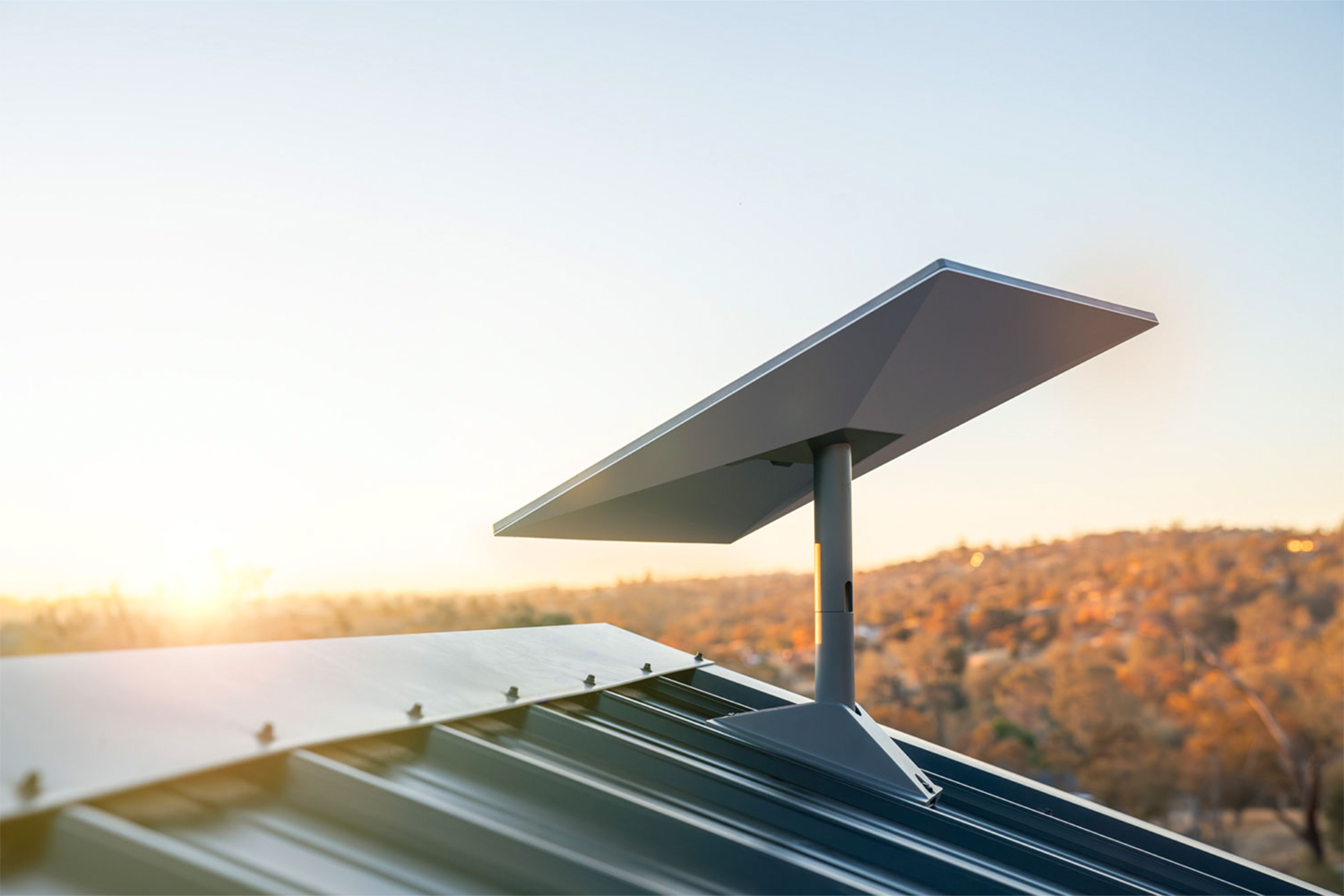
Starlink has been a genuine game-changer for connectivity in areas where fibre and even reliable mobile data don't reach. But a smooth installation depends on a few things being sorted before the dish goes up — not after.
Power first, everything else second
The Starlink router and dish draw continuous power, and an unreliable grid connection is the single most common reason installs go wrong. If your site experiences regular outages, plan for a backup power solution — a UPS for short gaps, or solar with battery storage for longer or more frequent outages — before installation day, not as an afterthought.
Mounting location matters more than people expect
The dish needs a clear, unobstructed view of the sky — trees, buildings, and even seasonal foliage growth can degrade the signal months after a install looked perfect on day one. We always check for obstructions across different times of day, not just a single site visit.
Know your realistic usage before you commit to a plan
Starlink offers different tiers, and picking the wrong one either wastes money or leaves you throttled during peak hours. A rough headcount of simultaneous users and typical activity (browsing vs. video calls vs. streaming) goes a long way toward picking the right plan from day one.
Cabling and router placement
The distance between the dish and your router, and the router's placement relative to where people actually need WiFi, affects real-world performance more than most people assume. We plan cable runs and router positioning as part of the install, not as a separate afterthought.
Get these four things sorted ahead of time, and a Starlink installation is usually a same-day job with minimal disruption.